
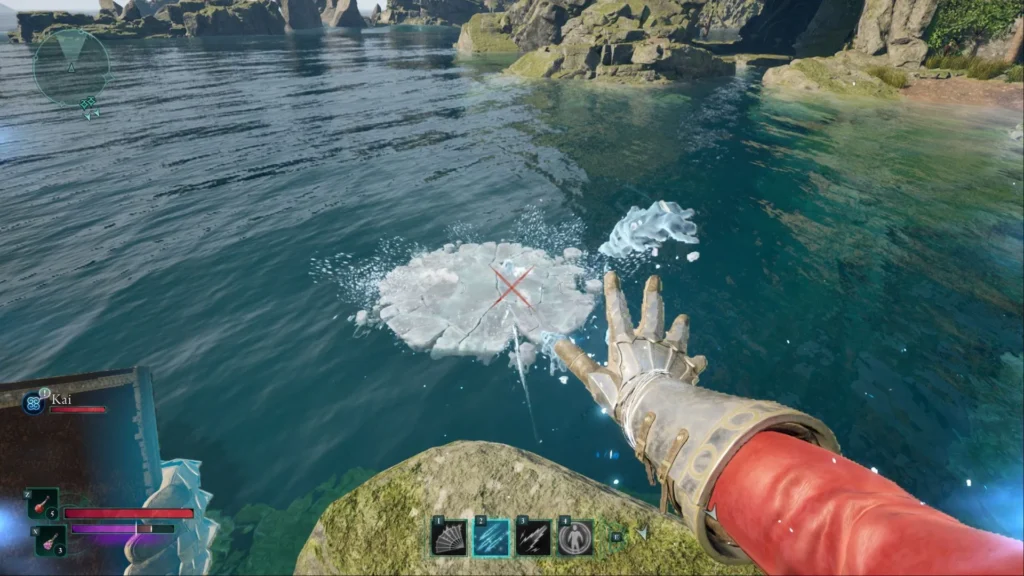
I’m tired of open-world games that prioritize quantity over quality. You know the ones: maps cluttered with icons, side quests that feel like checkboxes, and “content” that exists solely to pad out playtime. I don’t need 100 hours of gameplay if 80 of those hours are filler. That’s why The Legend of Zelda: Tears of the Kingdom blew me away. It’s a game that understands density—every inch of Hyrule is packed with meaning, surprise, and genuine discovery. No bloated checklists. No meaningless collectibles. Just pure, unadulterated adventure.
What Tears of the Kingdom nails is player freedom. Want to climb that mountain? Go for it. See a mysterious cave? Explore it. Spot a weird contraption in the distance? Build a vehicle and drive there. The game doesn’t just let you go anywhere—it encourages it. And unlike so many open-world titles, it rewards curiosity with moments that feel unique. I’ve lost count of how many times I’ve stumbled upon something—an NPC story, a hidden shrine, a physics-based puzzle—that made me stop and say, “Holy crap, that’s brilliant.” It’s the antithesis of Ubisoft’s “tower-climbing simulator” formula.
But here’s the kicker: Tears of the Kingdom isn’t perfect. The story is serviceable but forgettable, and the dungeons, while creative, lack the grandeur of Breath of the Wild’s Divine Beasts. Yet, none of that matters when I’m lost in Hyrule, gliding through the sky on a makeshift rocket or stumbling into a underground lair I wasn’t “supposed” to find yet. The game trusts me to make my own fun, and that’s rare in an era where so many open-world games treat players like lab rats in a Skinner box.
If you’re burned out on open-world fatigue, Tears of the Kingdom is the antidote. It’s a reminder that exploration should be about wonder, not completionism. And in a landscape dominated by games that mistake “bigger” for “better,” it’s a breath of fresh air. Now if you’ll excuse me, I have a shrine to find—and I’m pretty sure it’s hiding something ridiculous.