
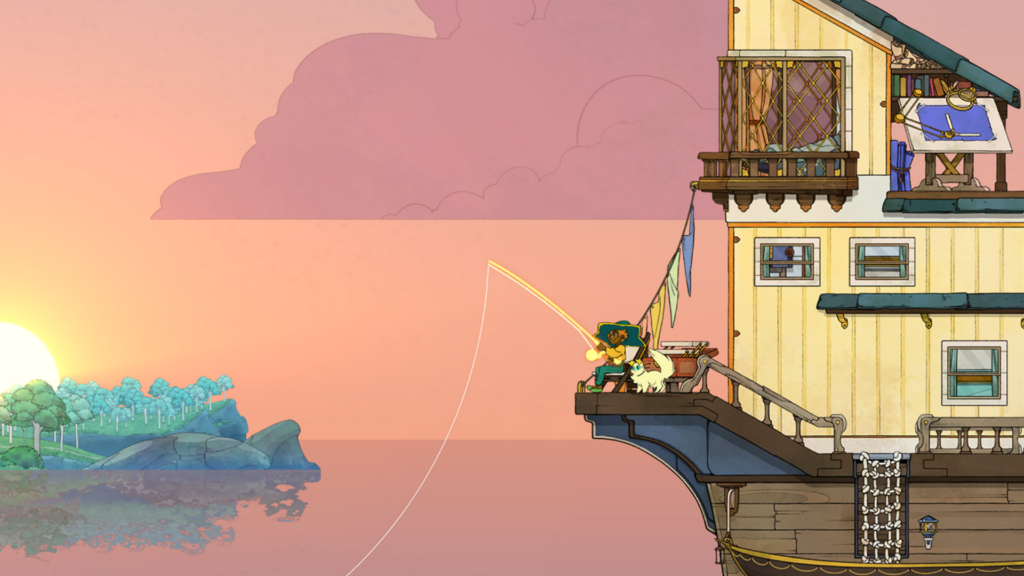
I didn’t expect Spiritfarer to wreck me. I picked it up on a whim during a Steam sale, thinking it’d be a cute, relaxing management sim about ferrying spirits to the afterlife. Boy, was I wrong. Within the first hour, I was ugly-crying into my keyboard. Not because the game is sadistic or overly dramatic, but because it’s honest. It tackles grief, loss, and letting go in a way that’s so tender and human, it feels like a warm hug from someone who gets it. And in a year where I lost someone close to me, Spiritfarer became the game I didn’t know I needed.
The brilliance of Spiritfarer lies in its simplicity. You play as Stella, a ferrymaster to the deceased, helping spirits move on by fulfilling their last requests, building cozy little homes for them on your boat, and ultimately saying goodbye. The art style is charming, the music is soothing, and the gameplay is gentle—until it isn’t. Because beneath the surface, this game is about confronting emotions, not escaping them. One minute, you’re laughing as a spirit asks for a ridiculous amount of cheese; the next, you’re holding back tears as they share a memory of their life. It’s a masterclass in emotional storytelling, and it never feels manipulative. It just is.
What surprised me most was how Spiritfarer made me reflect on my own life. The spirits you meet aren’t just pixelated characters—they’re mirrors. Their regrets, their joys, their unfinished business—it all feels eerily personal. I found myself calling my mom more often after playing. I reached out to an old friend I’d lost touch with. And when the game’s final moments hit, I sat in silence for a good 10 minutes, just processing everything. That’s the power of a game that doesn’t just entertain, but resonates.
If you’re avoiding Spiritfarer because you think it’s “too emotional” or “too slow,” I get it. But I also think you’re missing out on one of the most meaningful experiences gaming has to offer. It’s not just a game about death; it’s a game about living—and how we carry the people we love with us, even after they’re gone.